
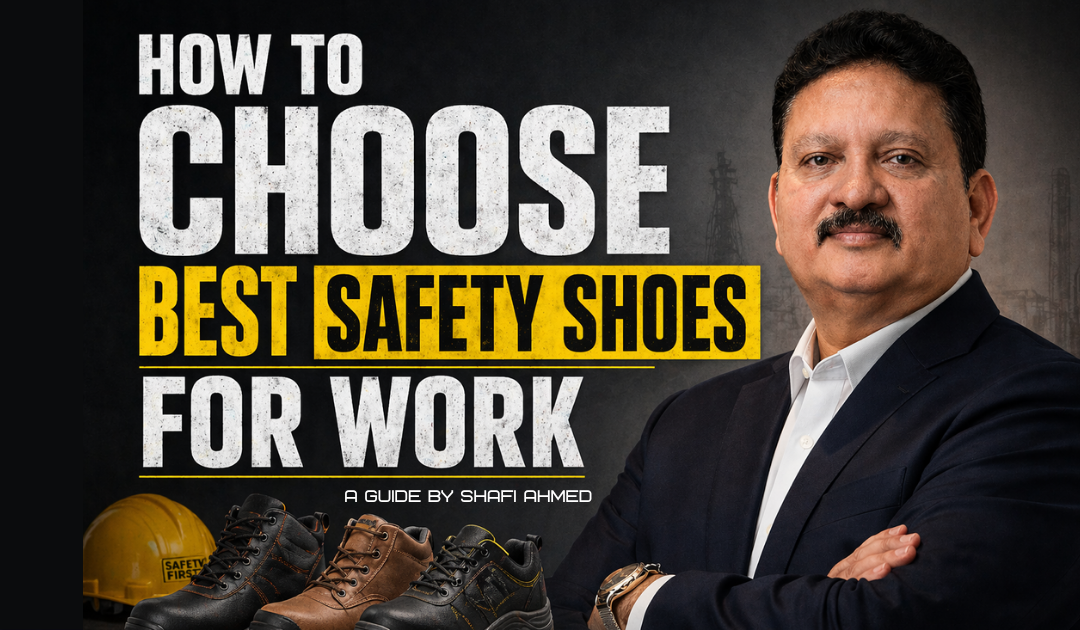
In today’s industrial environment, the best safety shoes is not optional-it’s essential. Among all protective equipment, safety shoes play a critical role in preventing serious injuries, improving productivity, and ensuring compliance with safety regulations.
Whether you manage a factory, work on a construction site, or handle electrical operations, choosing the right pair of safety shoes can make a significant difference in your daily safety and comfort.
This complete buyer checklist will help you understand how to choose the best safety shoes for work, avoid costly mistakes, and invest in long-lasting protection.
Contents
- 1 What Are Safety Shoes and Why Are They Important?
- 2 Types of Safety Shoes You Should Know
- 3 Complete Buyer Checklist for Safety Shoes
- 4 Common Mistakes to Avoid When Buying Safety Shoes
- 5 How to Maintain Safety Shoes for Long Life
- 6 Best Safety Shoes for Work: What Should You Choose?
- 7 Final Thoughts
- 8 FAQs
- 9 Get in Touch
- 10 Connect With Us on LinkedIn
What Are Safety Shoes and Why Are They Important?
Safety shoes are specially designed footwear that protect workers from hazards such as:
- Falling objects
- Sharp materials
- Electrical risks
- Slippery surfaces
- Extreme temperatures
Unlike regular footwear, they are engineered with protective features like reinforced toes, anti-Skid soles, and shock absorption.
Why Safety Shoes Matter
- Reduce workplace injuries
- Improve worker confidence and productivity
- Ensure compliance with industrial safety standards
- Prevent long-term foot damage
Types of Safety Shoes You Should Know
1. Steel Toe Safety Shoes
Best for heavy-duty environments like construction and manufacturing. They protect against impact and compression.
2. Composite Toe Safety Shoes
Made from non-metal materials. Lightweight and ideal for electrical and airport-safe environments.
3. Electrical Hazard Safety Shoes
Designed to protect against electric shocks. Essential for electricians and maintenance workers.
4. Anti-Skid Safety Shoes
Perfect for oily or wet surfaces. Commonly used in factories and food industries.
Complete Buyer Checklist for Safety Shoes
Before purchasing safety shoes, make sure you evaluate these critical factors:
1. Toe Protection Type
Choose between:
- Steel toe → maximum protection
- Composite toe → lightweight comfort
Tip: For heavy industries, always prefer steel toe.
2. Sole Material
- PU (Polyurethane): Lightweight and comfortable
- PVC: Affordable and durable
- Rubber: Heat and Skid resistant
Choose based on your working environment.
3. Skid Resistance
Look for anti-Skid certification if your workplace involves:
- Oil
- Water
- Chemicals
4. Comfort & Fit
Poorly fitted shoes can cause:
- Foot pain
- Fatigue
- Reduced productivity
Always choose:
- Proper size
- Cushioning
- Breathable material
5. Durability
High-quality safety shoes last longer and reduce replacement costs.
Check for:
- Strong stitching
- Quality sole bonding
- Abrasion resistance
6. Safety Standards (Very Important)
Always ensure the shoes meet recognized standards like:
- ISI certification (India)
- International safety benchmarks
7. Weight of the Shoe
Heavy shoes = more fatigue
Lightweight shoes = better performance
Balance protection + comfort.
8. Work Environment Compatibility
Choose based on your industry:
| Industry | Recommended Feature |
|---|---|
| Construction | Steel toe + anti-skid |
| Electrical | Non-metal + insulation |
| Factory | Anti-skid + comfort |
| Chemical | Chemical-resistant sole |
Common Mistakes to Avoid When Buying Safety Shoes
- Buying based only on price
- Ignoring safety certifications
- Choosing wrong size
- Not considering work conditions
- Compromising on quality
Cheap shoes often cost more in the long run due to replacements and injuries.
How to Maintain Safety Shoes for Long Life
- Clean regularly
- Dry properly (avoid direct sunlight)
- Store in a cool, dry place
- Replace worn-out soles
Best Safety Shoes for Work: What Should You Choose?
The best safety shoes depend on your needs:
- For heavy-duty work → Steel toe + rubber sole
- For comfort → Lightweight PU sole shoes
- For electrical work → Composite toe + insulation
- For slippery surfaces → Anti-skid sole
Final Thoughts
Choosing the right safety shoes is not just about comfort—it’s about protection, performance, and long-term value.
A well-chosen pair can:
- Prevent serious injuries
- Improve efficiency
- Save costs over time
If you’re looking for high-quality industrial safety shoes in India, make sure to choose a trusted manufacturer that prioritizes durability, safety, and comfort.
FAQs
1. What are the best safety shoes for industrial workers?
Steel toe safety shoes with anti-skid soles are ideal for most industrial environments.
2. How long do safety shoes last?
Typically 6–12 months depending on usage and quality.
3. Are lightweight safety shoes safe?
Yes, if they meet safety standards and are suitable for your work type.
4. Can safety shoes prevent electric shock?
Yes, ESD safety shoes provide insulation against shocks.
Get in Touch
Looking for high-quality safety shoes for your workforce or bulk orders?
We’re here to help you choose the perfect solution for your industry needs.
👉 Contact us today to get expert guidance, product recommendations, and the best deals on industrial safety footwear.
Your safety starts from the ground up.
Connect With Us on LinkedIn
Stay updated with the latest in industrial safety, product innovations, and workplace protection insights.